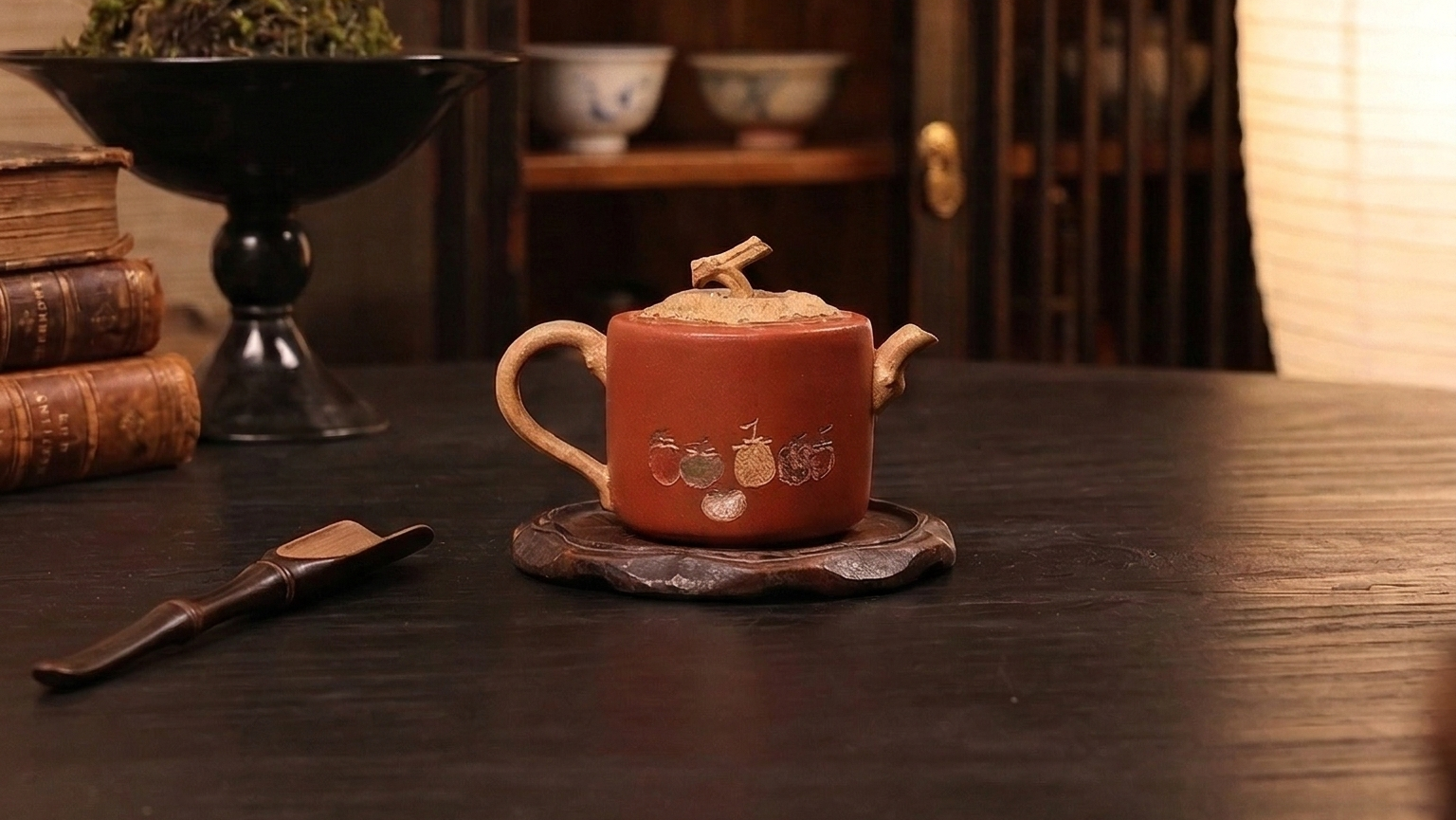
Can a purpose-driven Chinese Teapot brand align with artisan livelihoods?
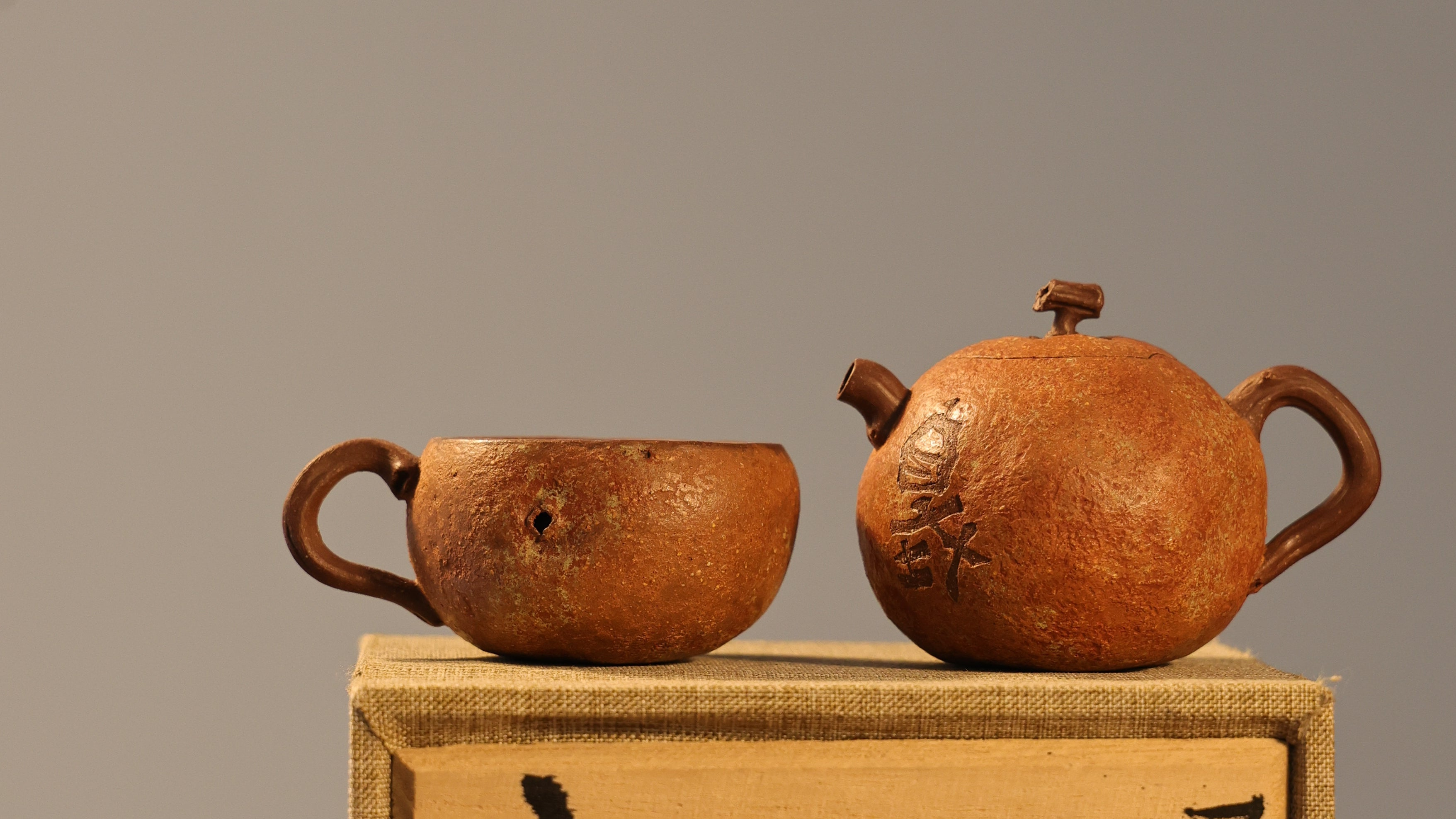
Throughout enduring chronicles,
During periods, aficionados have been enthralled by the unique charm of Yixing Zisha kettles. Originating from the territory of Yixing in the mainland, these pots are renowned for their remarkable beauty, infrequent clay, and innate ability to raise the bouquet of the steeping. The clay's distinctive purple-red hue, combined with the artistic craftsmanship of regional makers, creates items that are simultaneously functional designs and cherished valuables. Gaining a Zisha teapot is more than just every purchase; it's adopting a rich legacy heritage.
Unraveling Yixing Teapots: Chronicles, Classifications, and Significance
The renowned Yixing teapots stand as a profound past deeply intertwined with Chinese culture. Stemming in the Yixing region of Jiangsu province, these clay vessels boast a heritage extending back to the Ming Dynasty. Initial copyrightples were functional, but over centuries, Yixing teapot building evolved into an esteemed art form. The clay itself, known for its unique vitality and ability to raise the flavor of the tea, endures a defining factor. Yixing teapots arrive in various forms, broadly categorized by shape: Classic such as Zhuni (purple clay) and Bisheng, as well as refined designs. The esteem of a Yixing teapot rests on several factors, including the potter’s name, the age of the piece, the rarity of the clay, and its aesthetic quality.- Story: Prime eras
- Soil: Various types
- Appraisal Elements: Age
Zisha Pot Creation: Strategies and Potters
Unique construction of a authentic Zisha teapot is a elaborate process, requiring lengthy durations of skill. Master artisans meticulously procure the highest quality Zisha clay, a singular earth found only in specific regions of China. Conventional techniques, often inherited through families, involve exact shaping, refined carving, and patient firing in ancient hearths. The finished teapot isn't merely a jar; it's a testament to aesthetic vision and the substantial connection between the maker and their lineage. Each product showcases the individual touch of the creator, resulting in a truly one-of-a-kind work of design.
The Clayware: Discovering the Broad Traditions of Yixing Province
This Yixing, placed in Jiangsu the province of Jiangsu, is worldwide renowned for its exceptional culinary pots – a tangible representation of centuries of Chinese Yixing Zisha Teapot heritage. These aren't merely vessels for processing tea; they are intricate works of craftsmanship, often reflecting traditional ideals. The unique purple clay, known as Zisha, possesses unique qualities: the matter dense, permeable, and imparts a subtle quality to the tea.
- Many lineages have honed the techniques of Yixing container making, passing down secret methods through lineages.
- Fans prize these pieces for their beauty and infrequency.
- Individual teapot tells a narrative, connecting the tea lover to a rich foundation.
Engaging in Yixing Zisha: Vital Indicators
As evaluating collecting Yixing Zisha earthenware, several aspects necessitate careful inspection. Preliminarily, the clay’s tone is vital; authentic Zisha ordinarily exhibits a identifiable brick undertone. Moreover, inspect the technique; distinct characteristics and a silky layer show adept construction. Finally, research the maker’s history; esteemed names bring increased premiums and often guarantee a stable return.
Zisha Pot Techniques for Tea Brewing
Infusing sumptuous tea with a Zisha jar is more beyond a simple technique; it's an mastery. Zisha clay, famous for its unique geological composition, imparts a delicate character to the finished tea that’s often wanting with other implements. The suitable water intensity is necessary; typically, softer than what's used for black tea, to maintain the tea's fragrance and zest. Consider conscientiously the tea kind; delicate green teas or aged pu-erhs gain from the Zisha’s ability to smooth their natural edge. It’s imperative to prepare the teapot stringent to brewing, and to refrain from over-steeping. Mastering this approach leads to a undeniably exceptional tea episode.
- Learning Zisha Clay
- Thermal Condition of Water & Variety of Tea
- Essence of Tempering
Sustaining Your Renowned Vessel
To preserve the durability of your precious Yixing ceramic pot, steady maintenance is decisively crucial. Never using abrasives; instead, softly immerse it with comfortably warm solution. Ward off abrupt temperature; please don't place the earthenware directly onto a fiery stand. Periodically, prepare the container by immersing it with high-quality fermented tea, as this supports to develop its essence and safeguards the peculiar attributes of the medium.
From Earth to Cup: The Course of a Classic Container
A creation of a Zisha teapot is a intriguing approach, a demonstration to both the planet's bounty and the expertise of the craftsman. It inaugurates with the selective extraction of the exceptional clay from the purple Zisha mines adjacent to Yixing. This pristine material, known for its outstanding traits, is then steadily purified and formed for the foundational forming. The pot's configuration is professionally fashioned using a union of heritage hand-building techniques, often incorporating ornate figurings. Following drying, the vessel undergoes a decisive first firing, consecutively done by a layering stage, which might involve several layers of earthy Zisha overlays. Finally, a second, and sometimes third, firing at powerful temperatures brings the creation, revealing its complete beauty and extraordinary characteristics - a bona fide masterpiece, arranged to compliment a tea ceremony.
{Yixing Teapots: A Embodiment of Chinese Civilization and Recognition
Famed Yixing teapots, originating from the acclaimed Yixing region of Jiangsu province, are far more than mere jars for brewing tea; they represent a weighty aspect of Chinese identity. Formed from distinctive purple clay – zisha – these distinctive teapots are highly prized for their ability to improve the flavor of the tea and, crucially, for their aesthetic appeal. The legacy of Yixing teapot making spans centuries, and the craft involved is inherited through generations, making each teapot a beautiful object that embodies classical techniques and a profound appreciation for the refined pleasures in life.