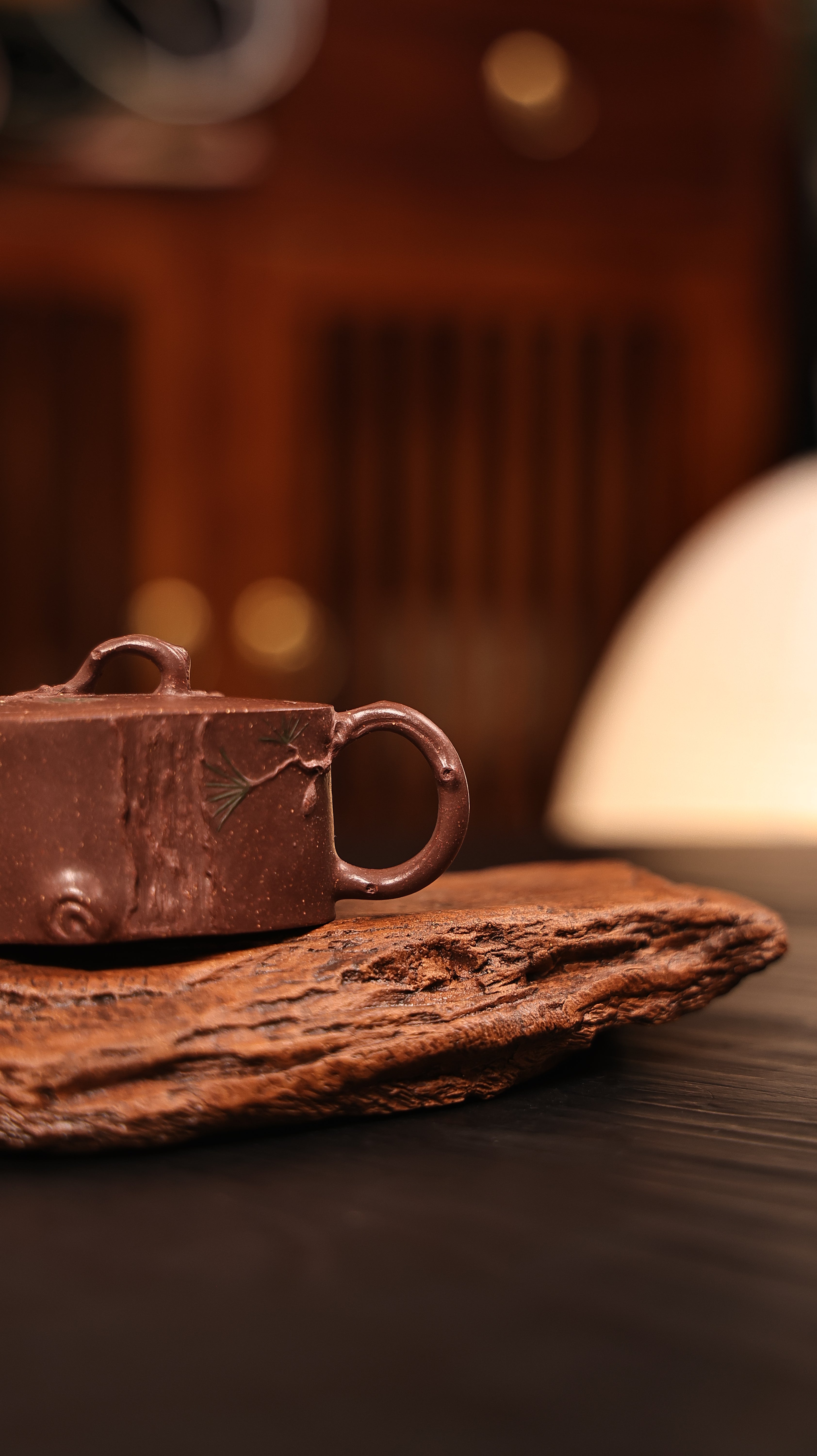
How can a Purple Clay Teapot improve both the taste and mouthfeel of your favorite teas?
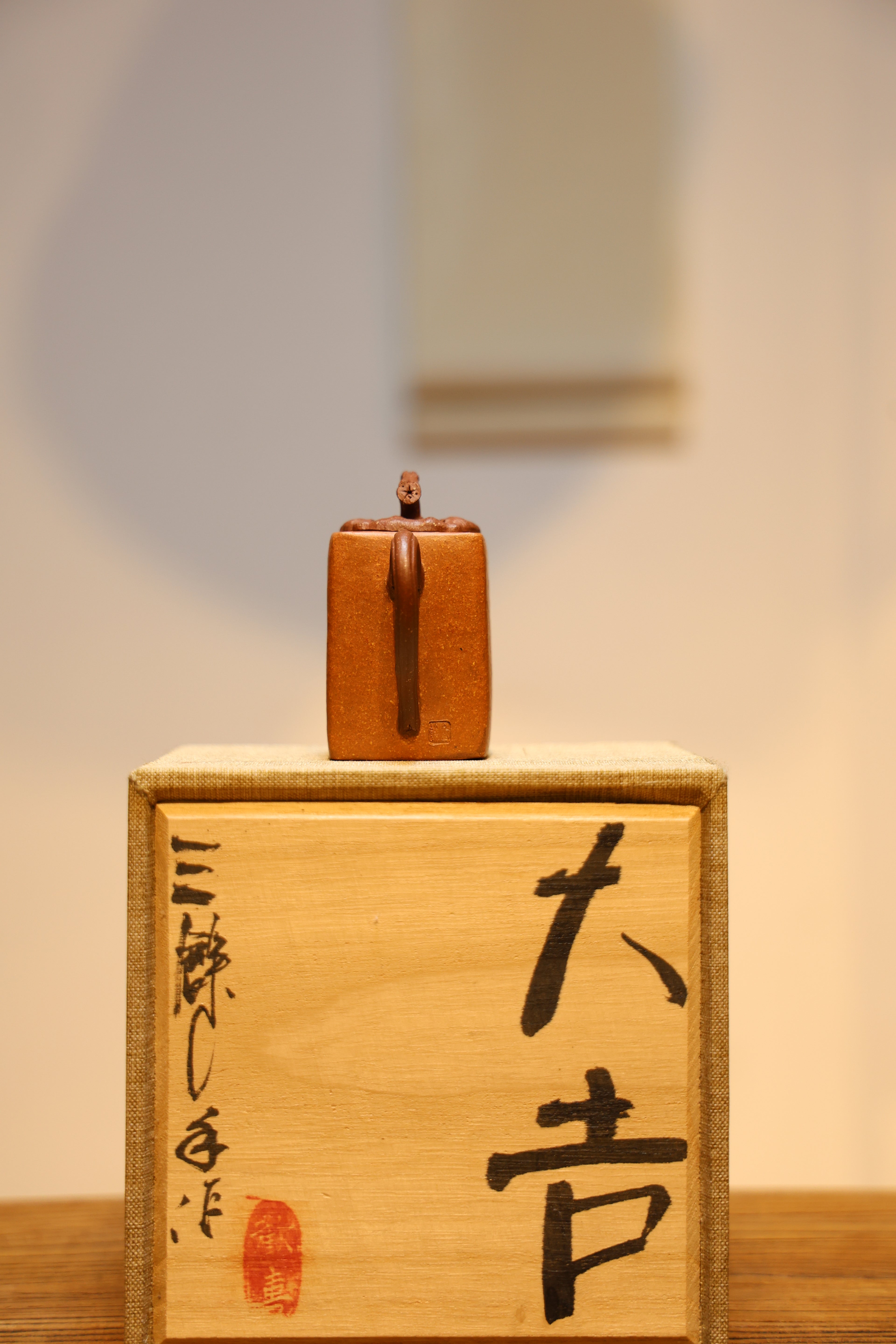
Unending custom shapes Chinese mugs amid generations,
Demonstrating peculiar attributes gathered amidst provincial amethyst components, the pitchers yield a layer during consumption, amplifying profile yielded from developed potions.
Recognizing Yixing Mud: Exhaustive Insights into Zisha
Diverse collectors value the incomparable grain of Yixing violet clay, a foundation of traditional Chinese workmanship. Springing from the Yixing region of Jiangsu province, this exquisite clay holds an detailed mineral makeup, which bestows amazing qualities to the executed containers. Types within Zisha, including Bing Mud, Duan Ni Mud, and Jiang Xi Mud, each displays separate pigments, surfaces, and curing traits, influencing the breathability and the concluding bouquet growth of the liquid.
Sino Container Customs: Learning Creativity
Sino teapots embody more mere urns for beverage; they represent centuries of customary expertise. From the iconic Yixing clay variations, respected for their transpiring nature which conveys distinctive nuances to the brew, to the fine porcelain from Jingdezhen, each piece unfolds a tale of craft. The fabrication process is an involved task, often passed down through tribes of masters. These connoisseurs use historic techniques such as hand-building, sculpting on wheels, and decorating, demonstrating profound reverence for the matter and the art itself. Think about the commitment invested in each piece as a symbol of Chinese artistry legacy.
- Purple sand jugs: a classic alternative.
- High-quality porcelain teapots: noted for their elegant design.
- Hand-building techniques: a laborious yet profitable procedure.
Eastern Clay Urn Maintenance: Conserving Your Cherished Item
Optimal maintenance of your unique Yixing Zisha flask is vital to maintaining its condition. Crafted from recognizable purple sand dirt, these first-rate teapots build a lovely patina after utilization, substantially boosting their allure. Stay away from washers; a soft rinse with moderate temperature hydrous matter is adequate. Avoid searing water for purifying the teapot, as it may damage its surface. Allow it to evaporate moisture away from unfiltered sunlight. Consider breaking in your teapot regularly using select tea, especially aged varieties. Here is a brief account:
- Rinse with tepid aqueous solution.
- Resist agents.
- Allow it to dry naturally.
- Cure with premium tea.
History of Yixing Teapots: From Basic Inception
The chronicle of Yixing teapots launches basically during the Zhao dynasty, roughly the 16th interval. Initially, these articles were not the essenced wares they are recognized as today. They were crafted by local potters using the unique purple clay found solely in the Yixing vicinity. These early productions were mainly utilitarian, intended for daily use and often ordinary in composition. It was not until the posterior dynasty that they opened to earn reputation beyond mere employable pieces.
Identifying the Suitable Jiangsu Container: A Novice's Guide
Venturing the territory of Yixing teapots can be complex, but resist resisting! For starters, the most important factor is understanding the clay. Validated Yixing clay is prized for its diffusibility, allowing the teapot to take in the tea's aroma over time, enhancing every developing session. Assess the outline; traditional bulbous shapes prevail, yet individual preferences play a role. Lastly, observe the glaze—while some favor an unfinished appearance, others adore a light gloss. Take your time in the decision process—this is an investment in a adored piece of workmanship.
Purple Clay Teapots and Their Significance on Chinese Infusion Culture
Zisha urns, derived from Yixing, China, have profoundly shaped customary Chinese drink culture. The Yixing clay teapots, prized for their singular hue, makeup, and exceptional ability to impart a subtle bouquet to the tea, exist as more than mere pots; they are held dear creations and symbols of prestige. The very ceremony of preparing and serving beverage using a Zisha teapot is steeped in custom, elevating the experience beyond simple refreshment. Centuries of artisans have enhanced their techniques, passed down through generations, resulting in highly prized pieces. Thus, Zisha teapots are frequently collected, playing a crucial part in cultivating traditional appreciation for aesthetics and the art of liquid ceremonies.
- Unique Clay Composition
- Giving Subtle Flavor
- Fine Craftsmanship
Detecting Authentic Exceptional Yixing Pots
Finding a legitimate Yixing teapot can be a beneficial experience, but the trade is often overrun with imitations. Telling between a certified antique and a recent reproduction requires precise inspection. Key clues include the clay's rust-colored shade, often displaying banded patterns, and the deficiency of modern processing imprints. The silhouette should indicate natural fineness, reflecting the traditional Yixing custom. Finally, checking the maker's seal is key to verify authenticity against recognized citations.
- Assess the clay's fabric.
- Look for blemishes, indicative of custom quality.
- Employ an expert for authentication.
Obtaining Yixing Clay Pots: A Complete Overview to Clay Art Evaluation
The world of Zisha Zisha objects exhibits Chinese Teapot a remarkable prospect for knowledgeable patrons. Gradually, the appraisal of these skilled artifacts is influenced by several conditions, such as the level of material, the proficiency of the producer, the time-honored notability, and, naturally, the recent attention. Beginners should concentrate on understanding the different types of Zisha clay—such as 冰河, Calm Pot, and Red Clay—and learning about the features linked to each. Thorough examination of the teapot's shape, complexion, and badge is concurrently paramount to make experienced judgments when investing.